-
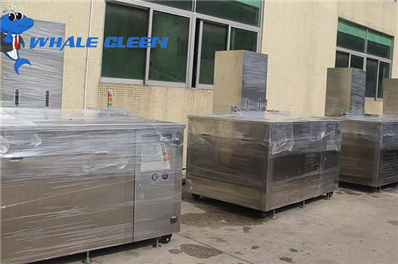 How to Prevent Rust After Ultrasonic Cleaning: 5 Scientifically Proven Protection Methods
Proper rust prevention after ultrasonic cleaning is crucial for metal parts longevity. This guide covers industrial-grade passivation techniques, eco-friendly sealants, and cutting-edge nano-coatings to create durable anti-corrosion barriers while maintai
-
 Can coating glasses be cleaned with an ultrasonic cleaner? Will it cause damage?
With the development of the times, because of the advantages of anti-blue light, anti-external ray, anti-oil, and so on, the present glasses are coated, and the coated lens is a new technology using optical thin film and vacuum, a layer of material is pla
-
 How to Identify Fake Ultrasonic Cleaners: The Ultimate Authentication Guide
Shocking Fact: Lab tests show 1 in 3 budget "ultrasonic cleaners" are completely non-functional! Learn to spot counterfeits before they damage your valuables. Core Identification Methods 1.Transducer Inspection (The Heart of the Machin
-
 Can One Ultrasonic Cleaning Machine Really Solve Water Stain and Oxidation Problems on Die-Cast Parts?
Walk into any die-casting facility, and you will hear the same frustration from quality control inspectors and production managers alike. Aluminum die-cast parts emerge from the cleaning line looking perfectly clean—only to reveal white spots, cloudy patc
-
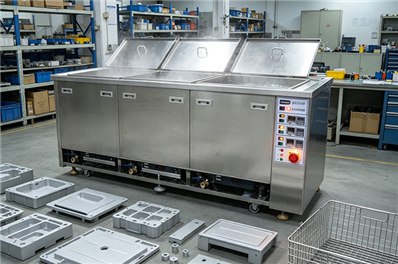 Ultrasonic Electrolytic Cleaning for Molds: Eliminate Gas Coke and Toner Residue That Causes Yellowing and Flow Marks
The Persistent Mold Contamination Problem In injection molding, the mold is the heart of production. But over time, even the best-maintained molds accumulate stubborn contaminants that no amount of wiping or solvent dipping can fully remove. Two of the
-
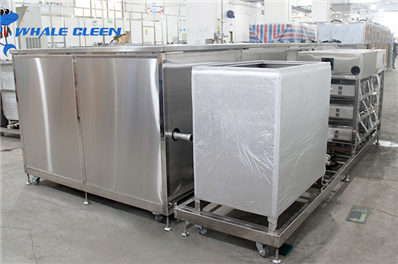 The Same Circuit Board, Different Results: Why Leading Electronics Manufacturers Are Switching to Industrial Ultrasonic Automatic Cleaning Machines
Look at the two PCBs. The first was cleaned with a manual brush and solvent dip. The second came from a fully automated ultrasonic cleaning line. To the naked eye, they look identical—solder joints shining, surfaces spotless, ready for assembly. But un
-
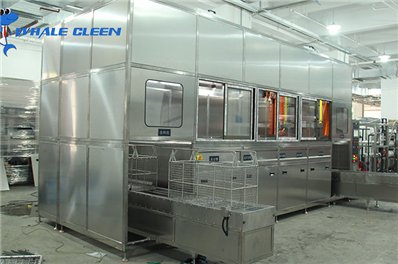 Metal Degreasing Without Strong Acid Soaking: The Hidden Cleaning Advantages of Ultrasonic Technology
In metal parts manufacturing, few processes carry as many hidden costs—and as many risks—as strong acid soaking for degreasing and rust removal. For decades, countless factories have relied on aggressive acid baths to strip oil, grease, and oxidation from
-
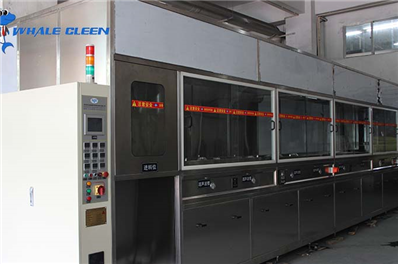 Big Ultrasonic Cleaning Machine: No Off‑the‑Shelf Units – Customized for Factory Non‑Standard Conditions
Walk into any real-world factory, machine shop, or auto parts plant. You will quickly notice that production conditions are rarely “standard.” Workpiece sizes vary wildly. Some components are covered in thick drawing grease, others in fine grinding dust.
-
 Why Can't Ultrasonic Cleaners Use Thin Steel Sheets? - An Engineering Analysis of Resonance Principles and Material Selection
In the field of industrial manufacturing and equipment material selection, a fundamental principle is: "The right material for the right application." For ultrasonic cleaners, the choice of material for their core working component—the tank that
-
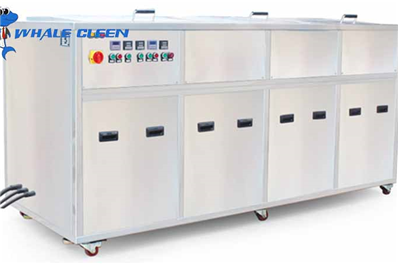 Why Do People Use Ultrasonic Cleaners? The Ultimate Guide to Ultrasonic Cleaning Technology
In today's world of advanced cleaning technology, ultrasonic cleaners have become increasingly popular across various sectors. But what drives people to choose these sophisticated cleaning devices? The answer lies in their unparalleled cleaning capabi
-
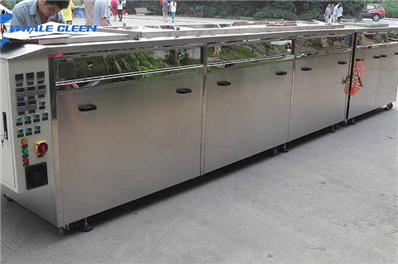 Why Does My Ultrasonic Cleaner Keep Stopping? Troubleshooting Guide and Solutions
Why Does My Ultrasonic Cleaner Keep Stopping? Ultrasonic cleaners are renowned for their efficiency in cleaning delicate items, from jewelry to industrial parts. However, frequent interruptions during operation can be frustrating and may indicate under
-
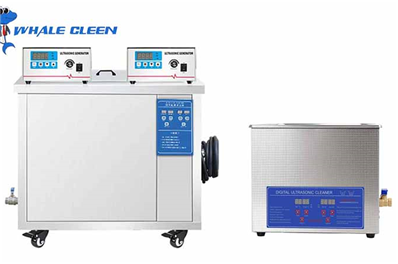 Why Ultrasonic Cleaners Can Remove Rust: The Science Behind Effective Rust Removal
Article Content Rust is a common yet stubborn problem that affects metal objects, from industrial machinery to household tools. Traditional rust removal methods often involve abrasive techniques or harsh chemicals, which can damage materials and pose e